
What Does It Mean to Rekey a Lock?
The answer to “what does it mean to rekey a lock?” is changing the existing lock so a new key works and the old one does not. Call us if a former occupant still has a key.
Need help now? (771) 240-1484
What Does It Mean to Rekey a Lock Without Replacing It?
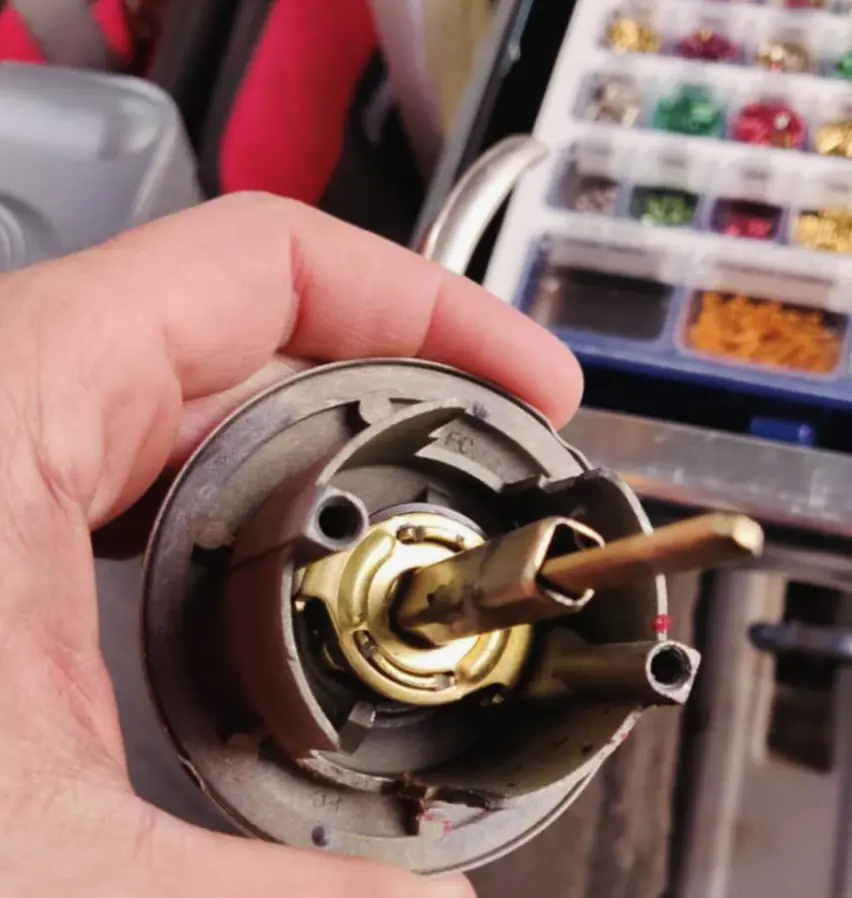
A conventional keyed lock contains a cylinder: the part where you insert the key. Rekeying changes the internal arrangement that recognizes the key. The outside hardware usually stays in place, but the previous operating key stops turning the rekeyed cylinder.
Making another copy of your current key does something different. A duplicate adds another working key without removing anyone else’s access. Rekeying changes access, which matters when you cannot account for every copy.
Rekeying also leaves the door’s physical condition unchanged. It does not strengthen a damaged frame, correct a loose strike plate, or turn a basic lock into a different security design. Those are separate reasons to consider repair or replacement.
Rekey, Repair, or Replace: Match the Lock Work to the Problem
Rekey when the lock works but key access must change
A move, a missing key, or a change in authorized occupants can leave working keys outside your control. Rekeying addresses that access problem while retaining suitable, working hardware.
Repair when operation has become unreliable
A sticking key, loose handle, or bolt that catches needs an assessment of the lock and door. Rekeying alone does not correct worn hardware or a door that has shifted out of alignment.
Replace when the hardware itself needs to change
Broken components, damage after forced entry, or a different hardware design can make replacement the better choice. If you are considering different hardware, our guide to which locks locksmiths recommend explains the selection questions separately.
Before Rekeying, Identify Every Door the Old Key Opens
- The doors affected by the missing key — Check whether the same key operates a front door, rear door, garage entry door, or separate deadbolt. Rekeying one cylinder leaves any untouched cylinders accessible to that old key.
- Permission to change access — For a rental or managed property, check your lease and get the property owner’s or manager’s authorization before changing access. Identify anyone who must retain authorized entry.
- The keys you still have — Gather the available keys and keep them separated by door. Include any key that works differently across several doors, because the property may have a shared or master-key arrangement.
- The access you want afterward — Decide whether each door should use a separate key or whether compatible locks should share one. Also count how many authorized people need a working key when the job is finished.
Need help now? (771) 240-1484
Eight Owner Checks Before and After a Door Lock Is Rekeyed
- Confirm that you control access — Establish who owns or manages the door and obtain permission where needed. Check that your requested key change will preserve access for anyone who must remain authorized.
- Match the old key to each cylinder — With permission and the door open, identify which locks the old key operates without forcing it. Check your door list against the results so a second cylinder is not missed.
- Compare operation with the door open and closed — Check whether the key and bolt move normally with the door open, then note any resistance when the door closes. A bolt that catches only when closed points toward a door or strike alignment issue that needs separate attention.
- Record visible damage — Look for a loose cylinder, cracked hardware, or damage around the latch and frame. Check that you have identified these problems before treating the job as a key change alone.
- Set the new key arrangement — Tell the locksmith which doors should share a key and which should stay separate. Check that compatibility and any existing master-key access are addressed before work begins.
- Have the internal rekeying completed — Leave cylinder disassembly and internal changes to a locksmith unless the manufacturer expressly provides an owner procedure for your exact lock. Before testing afterward, check that the hardware is secured and the door remains open.
- Test new and old keys with the door open — Try each supplied new key in every cylinder it should operate, then confirm that the previous operating key no longer turns those cylinders. Check both locking and returning to the open position without forcing the key.
- Check the closed door and distribute keys — Keep a working key with you while checking that the door closes, latches, and locks normally. Confirm authorized users have their new keys, and remove obsolete keys from everyday key rings.
An Old Key Still Works or a New Key Sticks: What to Do Next
If the previous operating key still works, first identify the exact cylinder you tested. A knob lock and a separate deadbolt are two different cylinders, even on the same door. Have the locksmith check any cylinder where the old key still operates.
A new key should operate without being forced. If one new copy sticks while another works, have that copy checked; if every new key catches, the cylinder or installation needs attention. Stop using force, which can leave a broken key in the lock.
A bolt that moves freely with the door open but catches when closed needs an alignment check. Do not accept repeated pulling or lifting of the door as the normal way to lock it. Keep the door accessible until the operating problem has been addressed.
One Key Can Fit Several Locks Only When the Cylinders Are Compatible
Rekeying can let compatible locks use one key, but it cannot make every cylinder accept every key shape. Similar-looking handles do not establish compatibility. Have the cylinders assessed before deciding that one key will operate all your doors.
Shared and master-key systems need a separate access decision. A tenant key may operate one door while an authorized master key operates several. Changing one operating key does not, by itself, establish which other authorized keys remain valid.
Tell the locksmith whether your goal is fewer keys, removal of one person’s access, or separation between areas. Those goals can require different key arrangements, even when the visible hardware stays the same.
Need help now? (771) 240-1484
Rekeying a Keypad Lock Does Not Delete Its Entry Codes
On a keypad or smart lock with a mechanical key cylinder, the physical key and electronic access are separate. Rekeying that cylinder does not erase entry codes, remove app users, or change account ownership. Review each access method when control of the property changes.
Use the instructions for the exact model before changing codes or resetting electronic settings. For a Schlage product, Schlage’s support resources provide model-specific instructions. Confirm that authorized users still have a working way to enter after any electronic changes.
Arrange Lock Rekeying Before Relying on the New Key
Call (771) 240-1484 when you need an old key’s access removed, and identify the affected doors and any operating problems. Our lock rekeying service comes to your location, so the lock can be assessed where it is installed.
Lock rekeying starts at $14. Identify each separate cylinder when requesting pricing; one door can contain more than one keyed lock. Request the total for the specific work before authorizing it.
Frequently asked questions
Can you rekey my lock if I have lost the only key?
A missing original key does not automatically mean the entire lock needs replacement. The cylinder’s design, condition, and whether the door is accessible determine the work needed. Tell us that no working key remains so the assessment includes access as well as rekeying.
Should I rekey after moving if the previous owner gave me keys?
Receiving keys does not establish that you received every copy. Rekeying removes the previous operating key’s access to the cylinders included in the work. Include secondary entrances in your request, and review electronic access separately.
Can I keep my existing deadbolt when it is rekeyed?
A suitable, working deadbolt can usually stay in place while its cylinder is rekeyed. Damage, wear, or an unsuitable cylinder can change that decision. Have sticking or loose hardware assessed before choosing rekeying alone.
Does rekeying give my lock better protection against forced entry?
Rekeying changes key access; it does not strengthen the door, frame, or lock hardware. If you see damage around the bolt or strike plate, request an assessment of those parts as well. That separates the need to cancel an old key from the need to repair or improve the entrance.
Change Which Key Opens Your Door
Call DC Lock N Key with the number of keyed cylinders and whether you still have a working key.